Before You Invest: 5 Critical Factors to Evaluate When Choosing a Cafe Franchise Brand
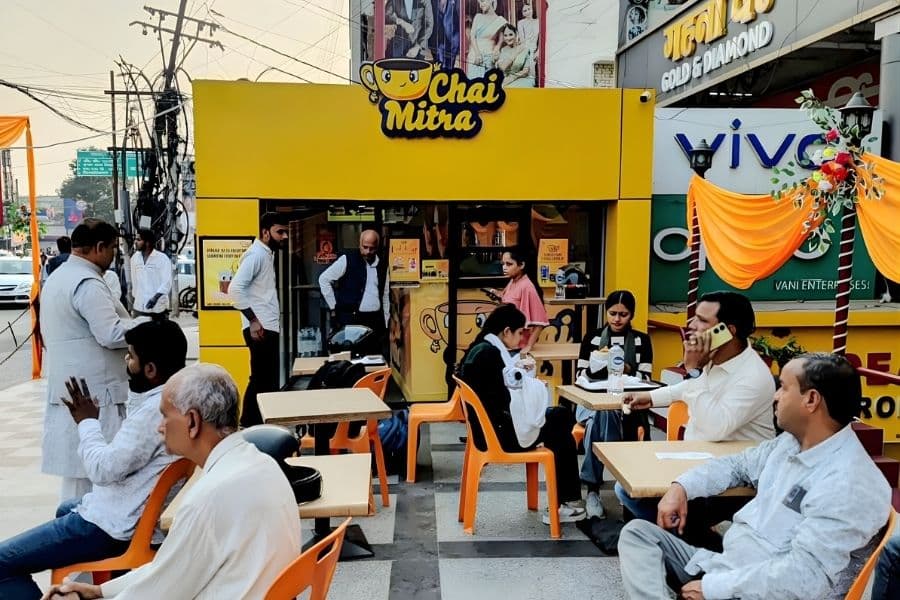
ChaiMitra Storyteller
Business Development Scribe
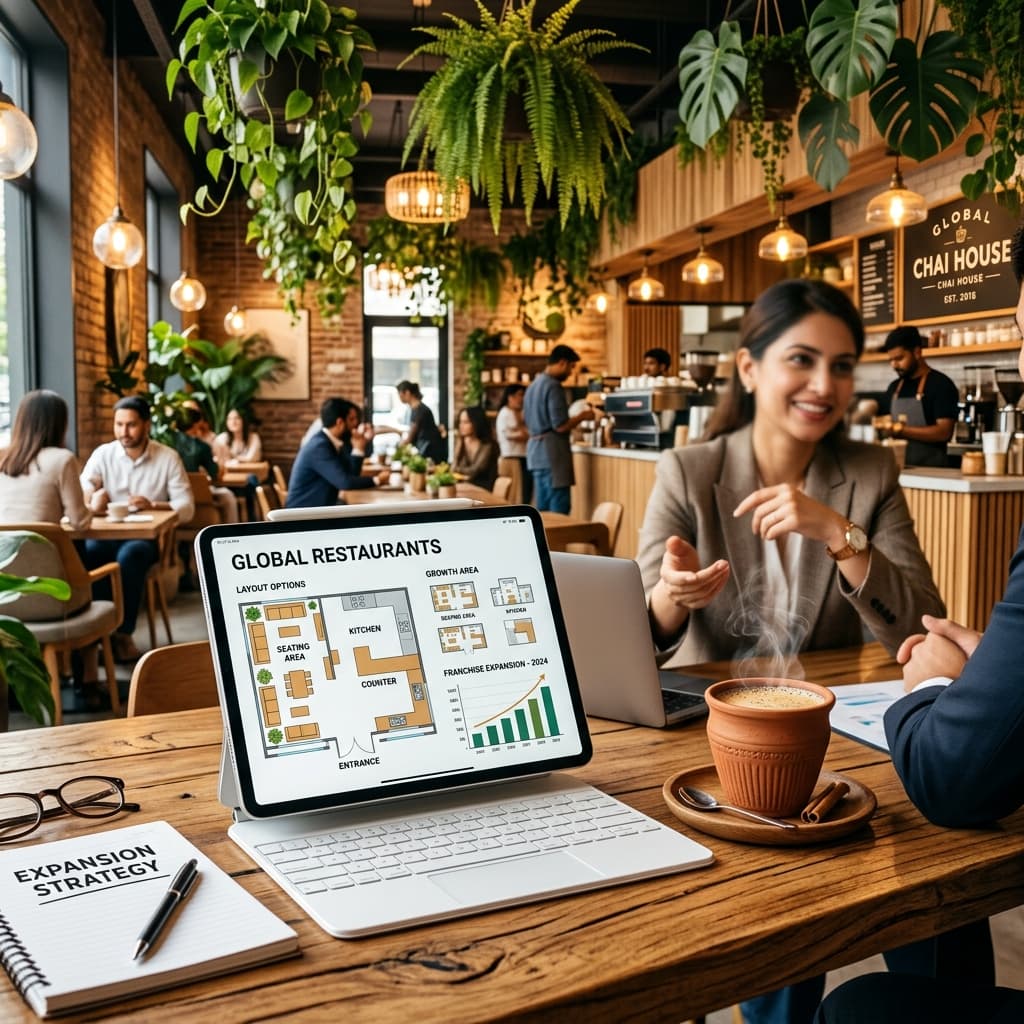
The food and beverage franchise sector in India is experiencing an unprecedented boom. Aspiring entrepreneurs are eager to secure partnerships with established brands, particularly in high-growth tier-2 and tier-3 micro-markets where demand for premium, hygienic cafe spaces is soaring. However, buying a franchise is a major financial and personal commitment. Before you sign any agreement, it is critical to conduct thorough due diligence.
Too many investors get dazzled by a brand's social media presence or opening-day footfalls, only to discover operational headaches and thin margins later. To help you make an informed decision, here is a comprehensive checklist of the 5 critical factors you must evaluate before choosing a cafe franchise partner.
1. Transparent Cost of Goods Sold (COGS) & Margins
A high top-line sales number is meaningless if your raw materials and royalties consume all your earnings. When evaluating a cafe brand, ask for a detailed breakdown of the Cost of Goods Sold (COGS). A healthy cafe franchise should maintain a food COGS between 32% to 38%, leaving you with comfortable gross margins to cover rent, salaries, utilities, and local marketing.
Be wary of brands that charge high hidden margins on standard supplies or impose exorbitant royalty fees on gross sales rather than net margins. Look for transparent partnerships that structure royalties to align with your store's actual profitability.
2. Centralized Supply Chain & SOP Standardization
The primary asset you buy in a franchise is consistency. A customer visiting your cafe in Gorakhpur should experience the exact same rich, cardamom-infused aroma and soft Bun Maska texture as they would at your outlet in Basti or Padrauna. This consistency relies entirely on the brand's supply chain and standard operating procedures (SOPs).
Ensure the brand has a centralized distribution network for proprietary ingredients (like a secret 7-spice blend, premium CTC Assam tea leaves, and customized branding merchandise). If you are left to source key items locally, taste variations will inevitably alienate customers and dilute the brand value.
3. End-to-End Operational Support & Training
Running a busy food outlet requires specialized systems: inventory management, POS billing, staff hiring, and waste reduction. A great franchisor does not just drop off recipes and disappear. They should provide structured owner and staff training, pre-opening layout planning, FSSAI licensing guidance, and routine operational audits.
Ask the brand about their staff training duration and support availability. Do they have a dedicated operational helpdesk? Do they assist with local delivery setups on Zomato and Swiggy? Support in these areas makes the difference between a smooth operation and chaotic service.
4. Micro-Market Location Intelligence
In the retail food industry, location is everything. Selecting a site with poor footfall, high rent-to-revenue ratio, or difficult parking can doom a business before it starts. The franchise brand you choose must play an active role in site selection. They should employ traffic analytics, micro-market studies, and footfall checking to validate your proposed location.
At ChaiMitra, for instance, our site selection team collaborates closely with franchise partners to audit and finalize locations—ensuring that Express kiosks, Classic outlets, or Royale Lounges are placed in high-potential commercial, mall, or highway hubs.
Have a potential outlet location in mind?
Our retail expansion team conducts footfall audits and micro-market viability checks for all franchise partners.
5. Brand Vision, Sustainability, and Local Synergy
A franchise partnership is a multi-year marriage. You want to align with a brand that has a clear vision for the future and contributes positively to its community. In 2026, consumers are increasingly choosing sustainable, ethical brands. Ask yourself: does the franchise respect local heritage? Does it minimize plastic usage?
For example, serving beverages in 100% biodegradable clay kulhads under the "Mitra Ki Muskaan" initiative supports local potter families (Kumhars) in Eastern UP, creating a strong, positive social resonance that connects deeply with the local community. A brand that stands for more than just profit earns long-term customer loyalty.
Do not invest in a cafe franchise because you like the drink. Invest because you believe in the operational system, the supply chain security, and the team behind it.
— ChaiMitra Storyteller
Join the ChaiMitra Family
Under AFBR Ventures Private Limited, ChaiMitra has built a highly scalable, high-margin franchise network in Eastern UP. By standardizing the traditional Indian Adda experience with cozy air-conditioned seating, high-speed Wi-Fi, and premium hygienic standards, we offer partners a rewarding, highly sustainable entrepreneurial path.
Ready to build a successful, community-focused cafe franchise?
Download our comprehensive Franchise Brochure and submit your partner application to AFBR Ventures Private Limited.
Recommended Stories
All Blogs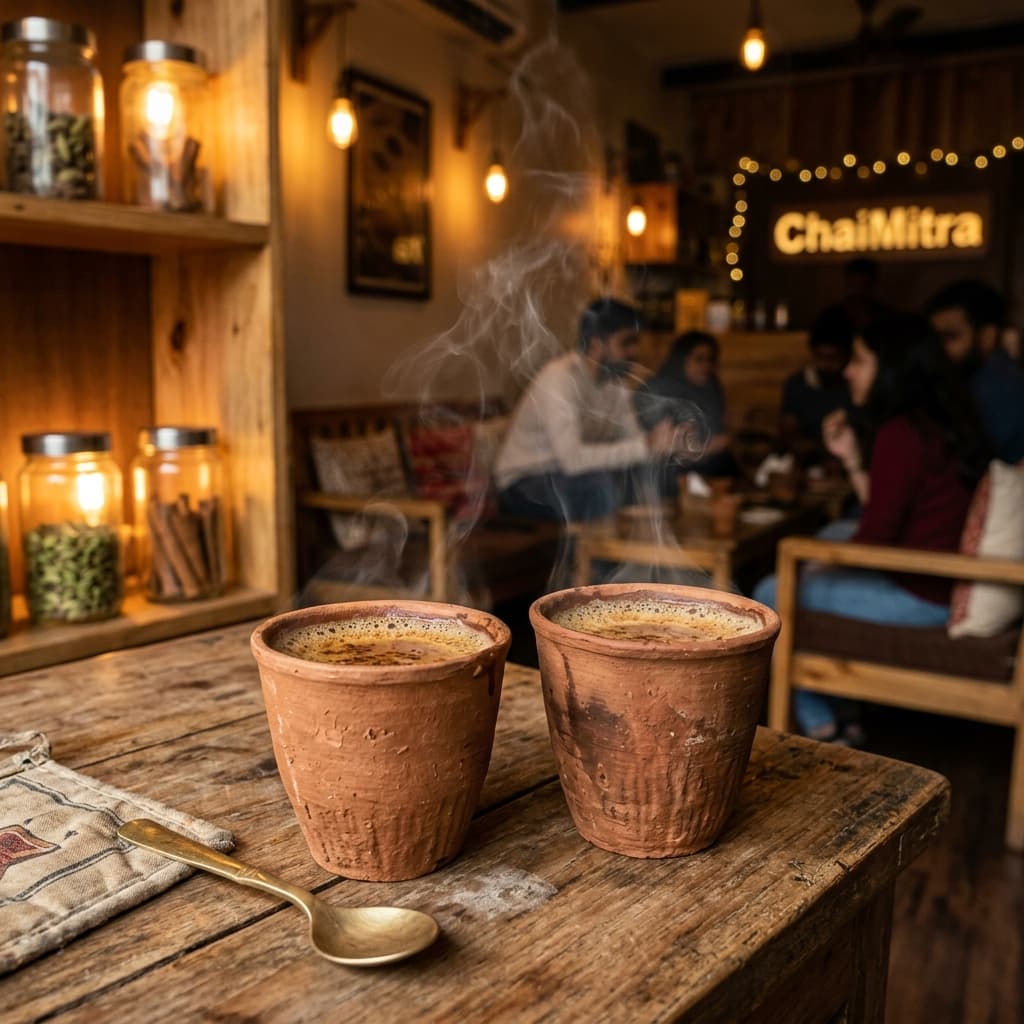
The ChaiMitra Phenomenon: How a Local Adda Sparked a Warm Revolution in the Hearts of Emerging India
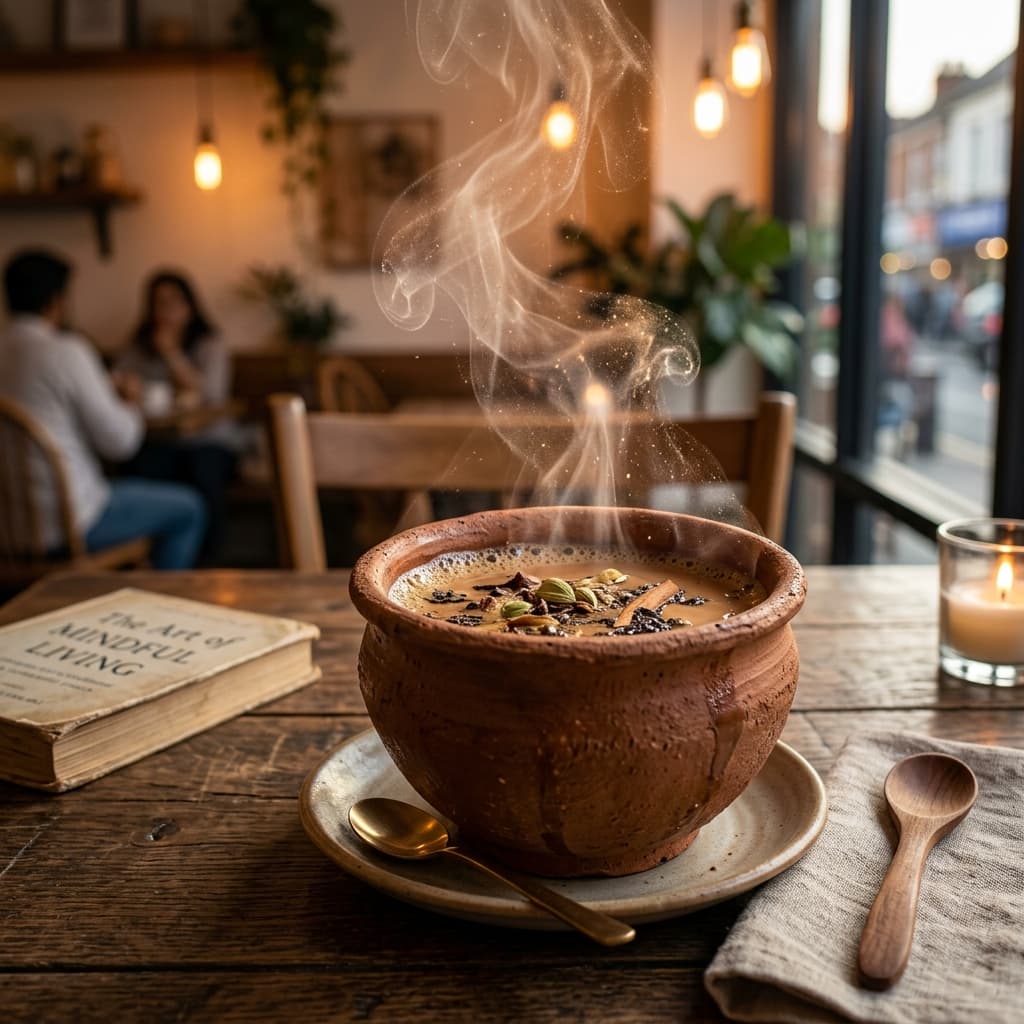
The 4 PM Chai Ritual: Why the Traditional Indian Chai Break is the Ultimate Mindfulness Hack for Modern Burnout

Why Clay Kulhads Make Chai Taste 10x Better: The Science of Earthy Brews

The 7 Secret Spices in Authentically Brewed Indian Masala Chai
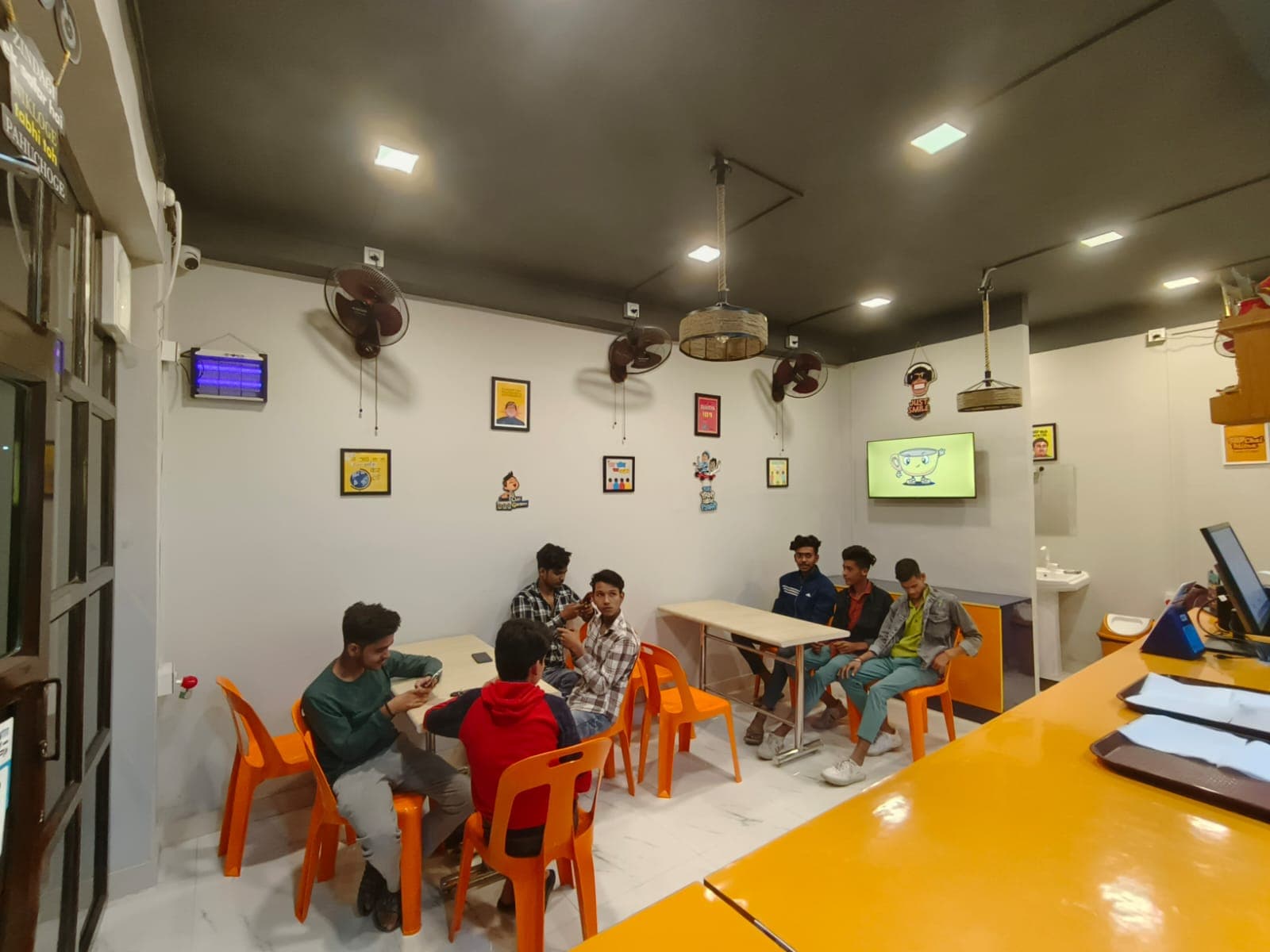
Reclaiming the Neighborhood Adda: The Culture of Chai and Friendships
Ditch the Matcha: Why Traditional Indian Masala Chai is the Ultimate Clean Energy Booster for Modern Biohackers

The Co-Working Vibe Shift: Why Founders and Creative Freelancers are Ditching Coffee Shops for Local Chai Addas
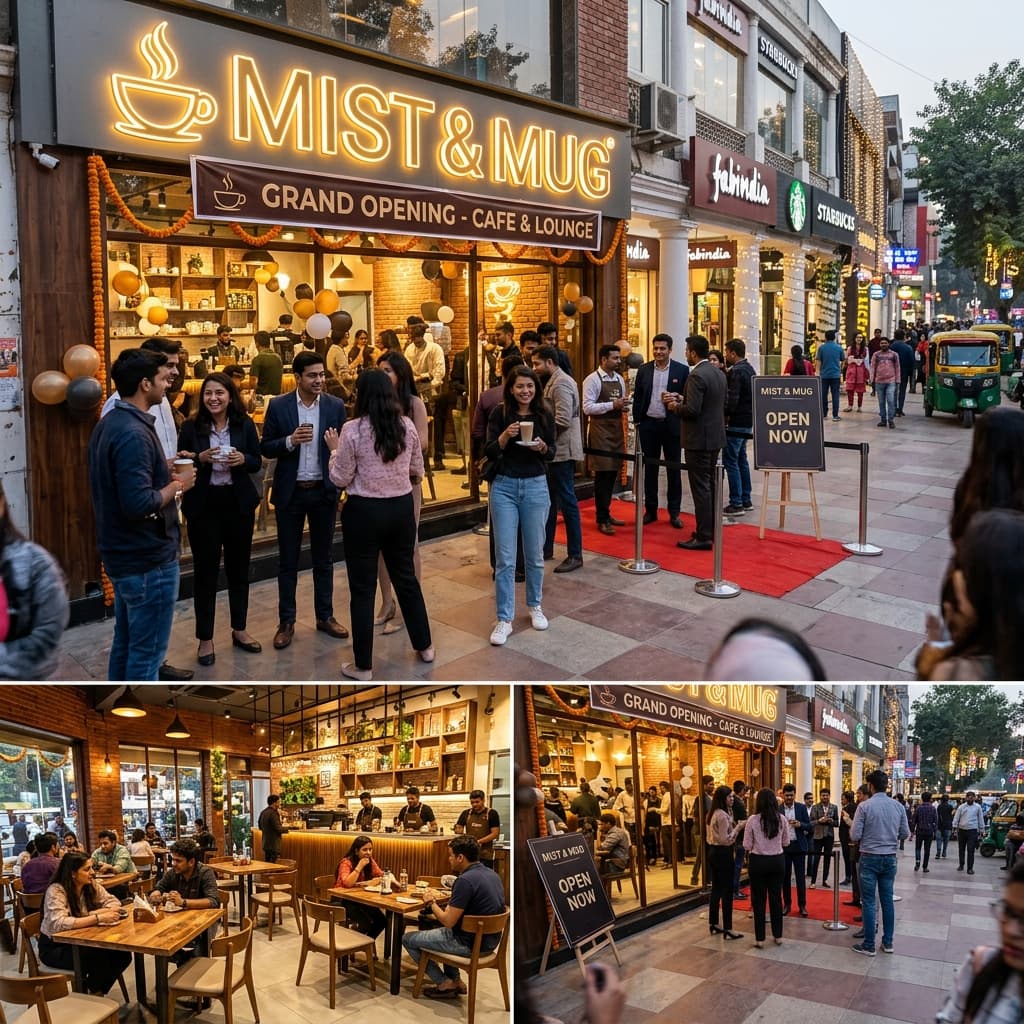
Why Tier-2 & Tier-3 Cities are the Real Goldmine for Cafe Franchise Investors in 2026