Why Clay Kulhads Make Chai Taste 10x Better: The Science of Earthy Brews

ChaiMitra Storyteller
Heritage & Culture Scribe
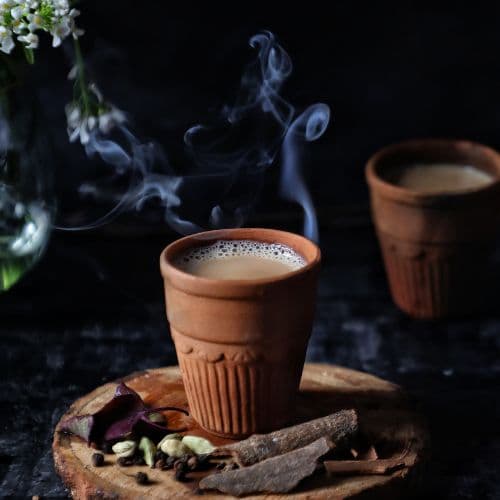
In India, chai isn't just a routine beverage—it's a cultural anchor. While you can find chai served in paper, glass, or plastic cups across cities, true chai connoisseurs know that nothing compares to the taste of hot chai served in a traditional, unglazed earthen cup known as a Kulhad. But is this flavor enhancement just a trick of nostalgia and psychology, or is there real science at play?
The short answer is: yes, there is actual chemical and sensory science behind why unglazed clay makes chai taste profoundly better. Let's break down the physical and chemical processes that occur when boiling chai meets raw, fired clay.
1. The Phenomenon of Geosmin & The Earthy Aroma
The signature, highly pleasant aroma of unglazed earthen pottery is due to a natural organic compound called Geosmin. Produced by certain classes of microbes like Actinomyces, Geosmin is the exact chemical responsible for "petrichor"—the beautiful, soul-stirring smell of dry soil receiving the first seasonal rainfall.
Unglazed clay is highly porous. When hot, freshly-boiled chai is poured into a Kulhad, it activates the micro-pores of the clay, releasing volatile Geosmin compounds into the rising steam. This olfactory pre-stimulation directly enhances the human brain's taste perception.
2. Alkaline Buffering and Acidity Reduction
Pure CTC Assam tea leaves, especially when boiled extensively with sugar and milk, can take on a moderately acidic pH (typically around 5.5 to 6.2). Highly acidic beverages can sometimes leave a sharp, sour aftertaste or cause mild digestive irritation.
Natural clay, on the other hand, is highly alkaline in nature. When the acidic chai interacts with the porous unglazed interior of the clay wall, a gentle neutralization reaction occurs. This natural buffering mechanism rounds off the sharp acidic edges of the chai, resulting in an incredibly smooth, sweet, and velvety finish on the palate.
The unglazed clay acts as a natural buffer, neutralizing sharp acidic tea leaves into a smooth, velvety liquid. It is a form of traditional chemical engineering.
— ChaiMitra Storyteller
3. Superior Thermal Insulation and Slow Cooling
A major enemy of a good cup of chai is rapid heat loss. Paper cups lose heat instantly through thin walls, while plastic cups leach harmful chemical plasticizers when exposed to hot liquids. Glass and ceramic heat up quickly, making them difficult to hold comfortably.
Clay contains millions of microscopic air pockets trapped within its fired crystalline matrix. These act as perfect natural insulators, retaining the heat of the chai and letting it cool at a slow, gradual rate. This allows the essential oils of the spices (like ginger, cardamom, and cinnamon) to continue blooming, ensuring that your last sip is just as warm and flavorful as the first.
4. Empowering Local Economies & Zero Carbon Footprint
Beyond flavor chemistry, choosing clay kulhads represents a massive step toward sustainable living. At ChaiMitra, we source 100% of our earthen cups from local potter families (Kumhars) in rural Eastern UP. This creates a sustainable cycle:
- Eco-Friendly: Earthen kulhads are completely unglazed and biodegradable, dissolving back into the earth within days of disposal.
- Plastic-Free: Zero plastic lining, protecting you from micro-plastics and environmental waste.
- Artisan Support: Providing a reliable and regular stream of income to over 25 rural potter families, preserving a legacy craft.
- Smoky Richness: Adding natural minerals to your daily chai, making it healthy and authentic.
So, the next time you hold a warm ChaiMitra Kulhad, remember that you aren't just enjoying an exquisite beverage—you are participating in a beautiful synergy of sensory science, legacy craft, and eco-friendly responsibility.
Recommended Stories
All Blogs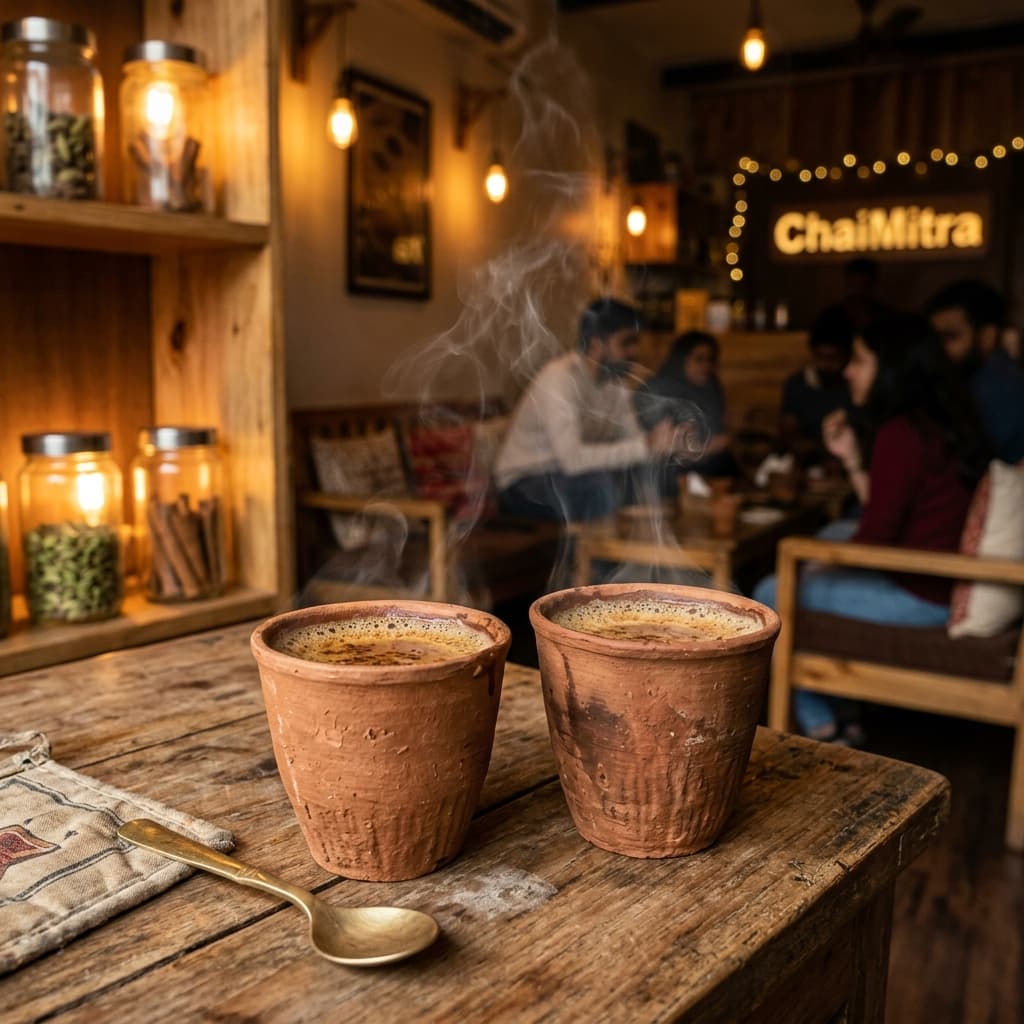
The ChaiMitra Phenomenon: How a Local Adda Sparked a Warm Revolution in the Hearts of Emerging India
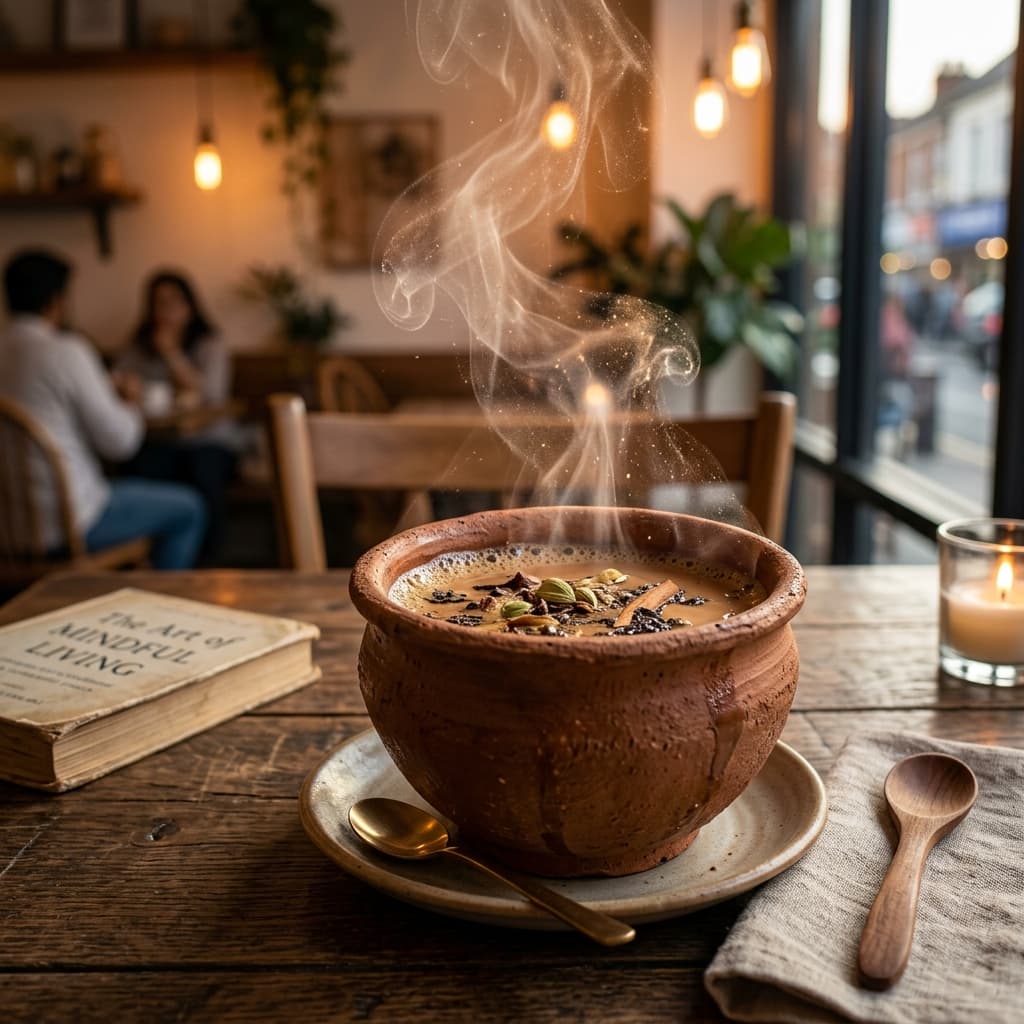
The 4 PM Chai Ritual: Why the Traditional Indian Chai Break is the Ultimate Mindfulness Hack for Modern Burnout

The 7 Secret Spices in Authentically Brewed Indian Masala Chai
Reclaiming the Neighborhood Adda: The Culture of Chai and Friendships
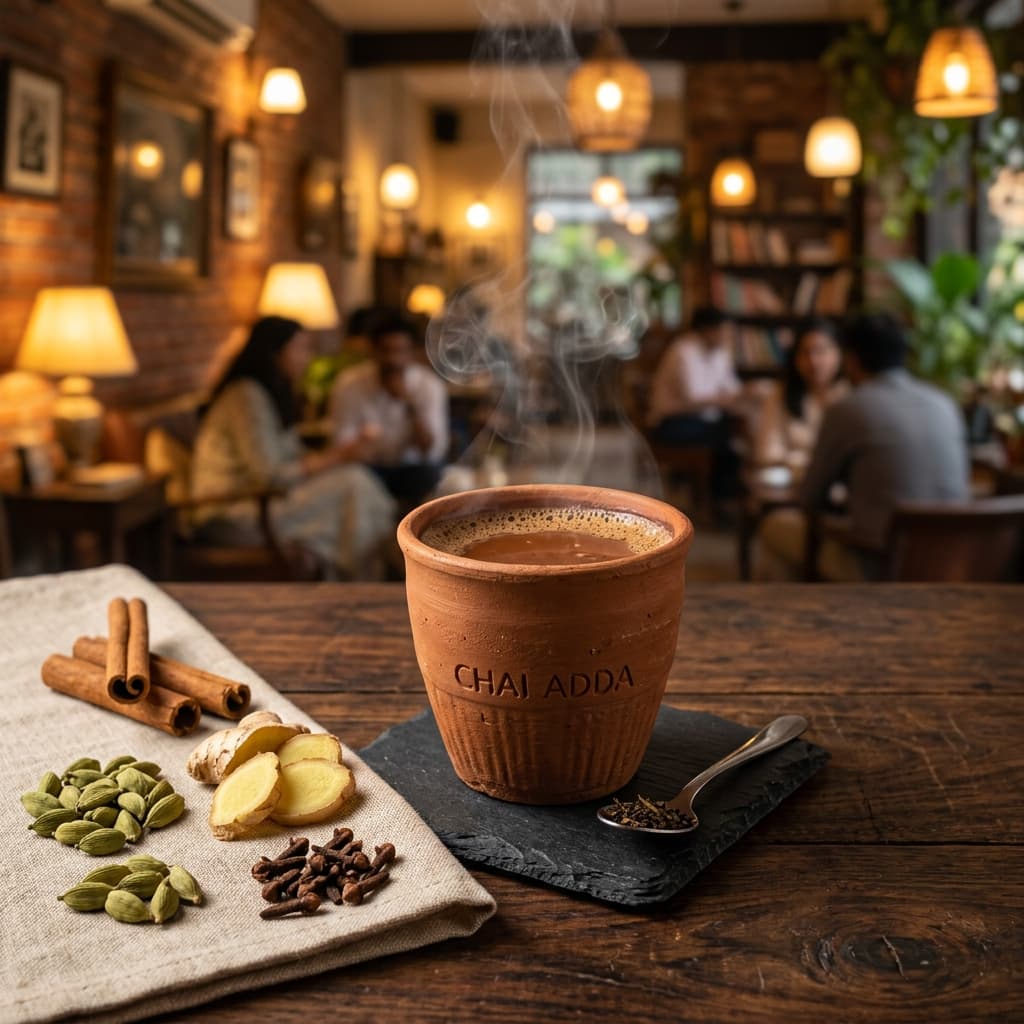
Ditch the Matcha: Why Traditional Indian Masala Chai is the Ultimate Clean Energy Booster for Modern Biohackers

Before You Invest: 5 Critical Factors to Evaluate When Choosing a Cafe Franchise Brand

The Co-Working Vibe Shift: Why Founders and Creative Freelancers are Ditching Coffee Shops for Local Chai Addas

Why Tier-2 & Tier-3 Cities are the Real Goldmine for Cafe Franchise Investors in 2026